

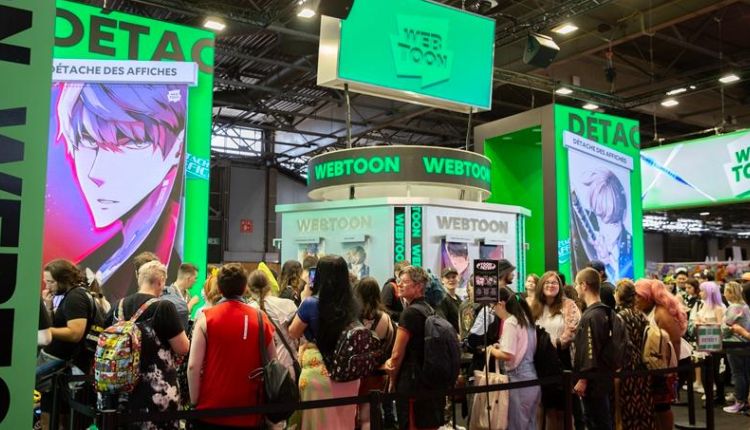

What began as a niche form of online entertainment has evolved into a global creative ecosystem that connects storytelling, technology, and culture. Unlike traditional print comics, webtoons are designed specifically for digital platforms, especially mobile devices, making them easily accessible to readers around the world. The rise of smartphones, affordable internet access, and social media sharing has helped the webtoon industry reach audiences far beyond its original markets.
Over the past decade, webtoons have become more than just online comics. They now represent a full-fledged industry, including writers, illustrators, editors, platform developers, marketers, and entertainment companies. The webtoon influences trends in animation, TV dramas, movies, games, and even fashion. This article examines in detail the origins, business models, creative processes, global expansion, challenges, and future potential of the webtoon.
The origins and development of the Webtoon industry
The webtoon industry has its roots in South Korea, where high-speed internet and digital culture were rapidly developing in the early 2000s. Traditional manhwa publishers have struggled due to declining print sales, pushing creators to experiment with online publishing. Early webtoons were simple digital adaptations of print comics but soon evolved into a unique format optimised for vertical scrolling and full-colour artwork.
As digital platforms Webtoon Industrymatured, webtoon creators began experimenting with storytelling techniques that were not possible in print. Endless screen layouts, cinematic pacing, and interactive commentary sections allowed readers to engage with the stories in new ways. The webtoon benefited from this innovation, as readers felt more connected to both the content and the creators. Over time, webtoons gained mainstream popularity, leading to increased investment and professionalisation in the industry.
Unique format and style of storytelling
One of the defining characteristics of the webtoon industry is its distinctive narrative format. Webtoons are designed for vertical scrolling, which changes the way stories are paced and visually presented. Panels are often spaced to control timing, emotion, and tension, allowing the creators to guide the reader through the story with precision. This format also makes webtoons ideal for mobile reading, which perfectly matches modern consumption habits.
The storytelling style in the industry is diverse and inclusive. Genres range from romance, fantasy and action to horror, slice of life and psychological thrillers. Many webtoons deal with contemporary social issues, mental health, identity, and relationships, making them relatable to a wide audience. The flexibility of the format allows both new and experienced creators to experiment freely, adding to the creative richness of the industry.
Business Models in the Webtoon
The webtoon industry operates on several interconnected business models that support both platforms and creators. Freely accessible, ad-supported content was the basic model that allowed platforms to attract large user bases. As the industry has matured, premium content models have emerged that offer early access or exclusive episodes in exchange for microtransactions.
Revenue sharing between platforms and creators has become an essential part of the sustainability of the webtoon. Successful creators can earn income not only from episode sales but also from merchandise, brand collaborations, and intellectual property licensing. This diversified revenue structure has made webtoons a viable career path for many artists who previously struggled to monetise their work.
The role of technology and platforms
Technology plays a key role in shaping the webtoon industry. Advanced content management systems, data analytics, and recommendation algorithms help platforms understand reader preferences and promote content effectively. These tools allow creators to get real-time feedback, allowing them to adjust the narrative based on audience reactions.
Mobile apps have become the primary distribution channel for webtoons. User-friendly interfaces, offline reading options, and personalised recommendations enhance the reading experience. Social elements such as comments and likes create a sense of community and further strengthen reader loyalty. The integration of technology has allowed the webtoon to scale rapidly while maintaining a close connection between creators and audiences.
Global expansion of the Webtoon industry
The webtoon industry has successfully expanded beyond its original markets, reaching readers in Asia, North America, Europe, and other regions. Localisation efforts, including translation and cultural adaptation, have played a significant role in this expansion. Stories that resonate emotionally often cross cultural boundaries, allowing webtoons to find global appeal.
International creators have also entered the webtoon, contributing different perspectives and storytelling styles. This global exchange has enriched the industry and made it more inclusive and representative. As a result, the webtoon is no longer limited to a single culture but has become a truly global phenomenon.
Impact on other entertainment industries
The influence of the webtoon industry extends far beyond digital comics. Many popular webtoons have been adapted into television series, animated shows, and movies. These adaptations often attract new audiences to the original content, creating a cycle of cross-media promotion.
The success of webtoon adaptations has encouraged entertainment companies to view webtoons as a valuable source of intellectual property. This increased investment in original webtoon content and raised the overall profile of the industry. The ability to seamlessly transition between media formats has positioned the webtoon as a key player in the field of modern entertainment.
Opportunities and challenges for creators
For creators, the webtoon industry offers unprecedented opportunities for exposure and creative freedom. Digital platforms remove many traditional barriers to entry and allow independent artists to publish their work directly to a global audience. Community involvement and reader feedback can help creators improve their skills and build a loyal fan base.
However, problems persist in the webtoon. High competition, demanding production schedules, and income instability can put considerable pressure on creators. Maintaining consistent quality while meeting platform requirements requires discipline and resilience. Addressing these challenges is critical to ensuring the long-term health of the industry and the well-being of its creators.
Reader culture and community engagement
Reader engagement is a cornerstone of the webtoon industry. Comment sections allow readers to share reactions, theories, and emotional responses, creating lively discussions around each episode. This interaction fosters a sense of belonging and transforms reading into a shared experience.
Fan communities often extend beyond the platforms themselves, influencing social media trends and popular culture. The strong connection between readers and creators contributes to the industry’s vibrancy and helps sustain long-term interest in webtoon content.
Future Trends in the Webtoon
The future of the webtoon industry is shaped by ongoing technological innovation and evolving audience expectations. Advancements in artificial intelligence, virtual reality, and augmented reality may introduce new ways to experience webtoon stories. These technologies have the potential to enhance immersion while preserving the core elements that define webtoons.
As competition increases, quality storytelling and creator support will become even more important. Platforms that prioritise fair compensation, creative freedom, and global accessibility are likely to lead the next phase of growth in the webtoon.
Conclusion
The webtoon industry represents a remarkable fusion of creativity and technology. From its humble beginnings as an online alternative to print comics, it has grown into a global entertainment force that influences multiple industries. The unique format, diverse storytelling, and strong community engagement have allowed webtoons to thrive in the digital age. While challenges remain, the continued evolution of technology and global collaboration suggests a promising future for the webtoon. As readers and creators alike continue to embrace this medium, webtoons are set to remain a powerful form of storytelling for years to come.
FAQs
What makes the webtoon different from traditional comics?
The webtoon is designed primarily for digital consumption, especially on mobile devices. Vertical scrolling, full-colour artwork, and interactive features distinguish webtoons from traditional print comics and enhance reader engagement.
Can creators earn a stable income in the webtoon?
Income potential in the webtoon varies based on popularity, platform policies, and additional revenue streams. Successful creators often earn through multiple channels, including episode sales, licensing, and adaptations.
Why has the webtoon become so popular globally?
Global popularity stems from accessibility, diverse storytelling, and cultural adaptability. The digital format allows readers worldwide to discover and enjoy webtoons easily.
How does technology influence the webtoon?
Technology supports content distribution, reader engagement, and data-driven recommendations. These tools help platforms grow while enabling creators to connect directly with audiences.
What is the future outlook for the webtoon?
The future of the webtoon appears strong, driven by innovation, global expansion, and cross-media adaptations. Continued support for creators and quality storytelling will shape its long-term success.
